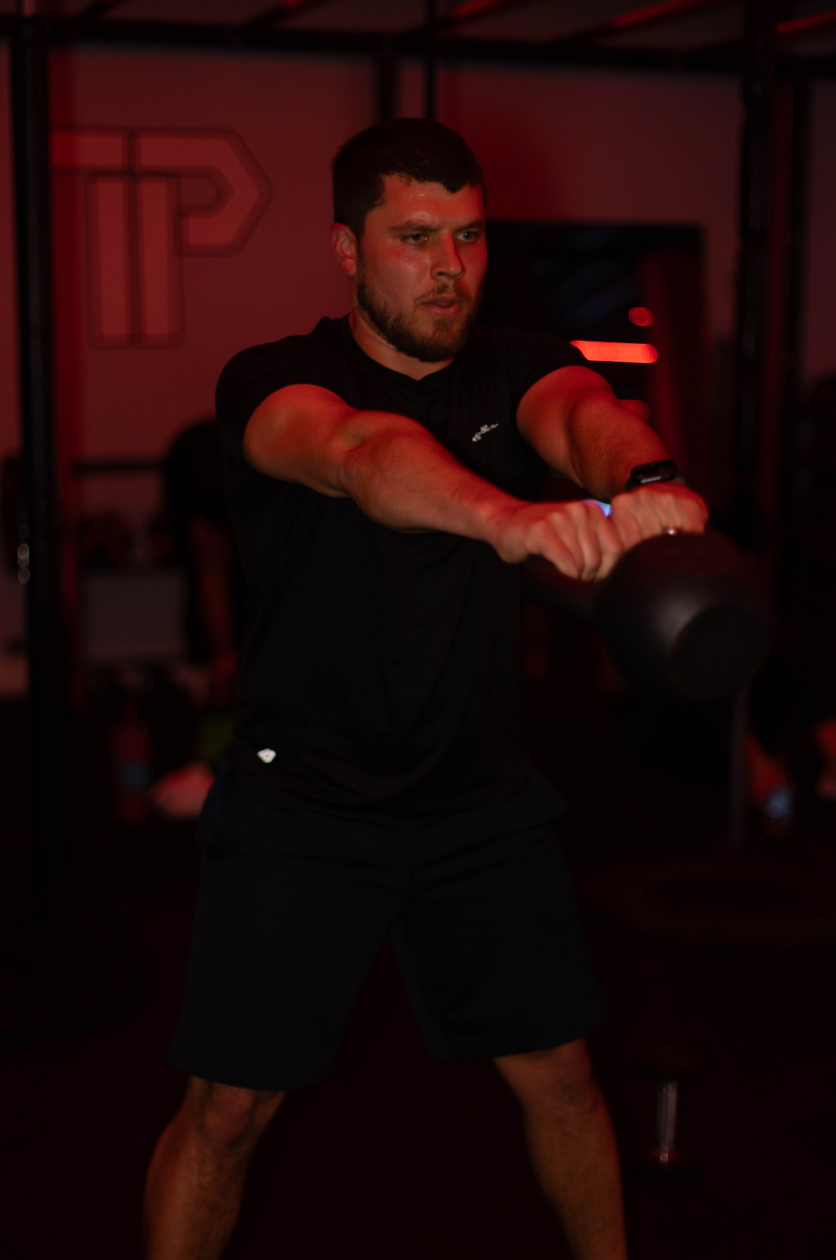



Deciding between HIIT and strength training often confuses people pursuing fitness goals. Both methods deliver different benefits, and knowing their distinctions helps you select what works for your body and schedule.
Fitness enthusiasts frequently debate these training approaches. Each method affects separate body systems and creates unique changes. Examining how each works and their real-world uses lets you choose what fits your needs.
What Is HIIT Training?
High-Intensity Interval Training switches between intense exercise bursts and short rest breaks. A standard session might feature 30 seconds of burpees, then 30 seconds of rest, done for 15 to 20 minutes. These sessions mix bodyweight moves, cardio machines or weights.
HIIT burns maximum calories quickly by driving your heart rate to 80% to 95% of peak capacity during work phases. This creates an “afterburn effect” where calories keep burning hours after you finish. Scientists call this excess post-exercise oxygen consumption, raising your metabolism up to 24 hours later.
HIIT adapts easily to any situation. You can do these sessions anywhere with little equipment, perfect for home or gym use. Common formats include Tabata timing, circuit setups and sprint bursts that adjust to your fitness level.
Understanding Strength Training
Strength training builds muscle and boosts force through resistance work. This covers lifting weights, bodyweight moves and resistance bands that challenge muscles with progressive overload. The main idea involves slowly adding weight, reps or volume.
The goal focuses on growing muscular strength, power and size while boosting bone density and metabolism. Strength sessions use longer breaks between sets for muscle recovery and peak effort per exercise. Rest times span from 30 seconds with light weights to three to five minutes for heavy compound lifts.
Strength training spans different rep counts and intensities. Low reps (one to five) build maximum strength, medium reps (six to 12) grow muscle size, and high reps (15+) improve endurance. This range lets you match training to goals and change programs as fitness grows.
Benefits of HIIT Workouts
Time Efficiency
HIIT packs results into 15 to 30 minutes, perfect for packed schedules. You can finish an effective session during lunch or before work without losing intensity. Studies show 20 minutes of HIIT burns calories equal to 40 to 60 minutes of steady cardio.
This efficiency comes from hitting multiple energy systems at once. During hard intervals, your body uses both quick-burst and endurance pathways, creating better training results in less time.
Cardiovascular Health
Regular HIIT boosts heart health, lowers blood pressure and raises VO2 max (how well your body uses oxygen). These changes improve daily endurance and cut cardiovascular disease risk. Research proves HIIT beats traditional moderate exercise for heart improvements.
Quick switches between high and low intensity teach your heart to handle changing demands. This heart flexibility helps with everything from stair climbing to active play.
Fat Loss
High calorie burn during exercise plus extended post-workout burning makes HIIT great for fat loss. Studies prove HIIT cuts body fat better than steady cardio while keeping lean muscle. The tough workouts also trigger hormone responses that burn fat.
HIIT targets visceral fat, the harmful type around internal organs. This particularly helps reduce health risks from belly fat.
Metabolic Boost
HIIT raises your metabolic rate up to 24 hours after workouts, burning more calories all day, even at rest. This metabolism lift adds 100 to 200 extra daily calories burned. The required intensity also improves insulin sensitivity, helping blood sugar control.
Benefits go beyond immediate calorie burn. Regular HIIT improves your body’s ability to use both carbs and fats for fuel, creating better metabolic flexibility.
Benefits of Strength Training
Muscle Building
Strength training works best for building lean muscle. Progressive overload triggers muscle protein creation, growing muscle size and definition. This needs enough protein and proper recovery between sessions for best results.
Muscle benefits go past looks. More muscle improves daily tasks like carrying groceries or moving furniture. This becomes crucial with age, as adults lose 3% to 8% of muscle each decade after 30.
Bone Health
Weight-bearing exercises strengthen bones and prevent osteoporosis. This matters more as we age and lose bone density naturally. Strength training stresses bones mechanically, making them denser and stronger. Research shows resistance training can boost bone density 1% to 3% yearly.
Bone strengthening works best with weight-bearing moves like squats, deadlifts and overhead presses. These compound exercises create forces through multiple bones and joints, maximizing bone-building effects.
Functional Strength
Building strength in patterns like squatting, pushing and pulling improves daily task performance and cuts injury risk. Functional strength training focuses on movements that apply to real activities. This includes exercises training multiple muscle groups together, not individual muscles alone.
Strength training’s injury prevention benefits are proven. Stronger muscles, tendons and ligaments provide better joint stability and help prevent common injuries from falls or sudden moves.
Long-term Metabolic Benefits
Muscle tissue burns more calories at rest than fat tissue. Building muscle through strength training permanently raises your baseline metabolism. Each muscle pound burns about six to seven calories daily at rest, compared with two to three calories per fat pound. Adding 10 muscle pounds could boost daily calorie burn by 40 to 70 calories.
These metabolic gains build over time, making weight control easier with age. Better insulin sensitivity from increased muscle also helps regulate blood sugar and reduces Type 2 diabetes risk.
HIIT vs. Strength Training for Different Goals
For Weight Loss
HIIT and strength training both help weight loss through different paths. HIIT burns calories immediately and boosts metabolism short-term, while strength training builds muscle that burns calories long-term. Combining both creates the best fat-loss plan.
HIIT creates the calorie shortage needed for fat loss through intense energy use, while strength training keeps muscle during weight loss. Without strength work, up to 25% of lost weight can come from muscle, slowing metabolism and making weight maintenance harder.
For Muscle Building
Strength training leads for muscle growth goals. Progressive overload needs heavier weights over time to spark muscle growth. This creates the tension and stress needed for muscle protein building and growth.
HIIT can maintain muscle and provide some strength gains, but doesn’t give the specific push needed for major muscle growth. HIIT’s high intensity often needs lighter weights or bodyweight moves, limiting progressive overload potential.
For Athletic Performance
Your sport decides the best choice. Endurance athletes gain more from HIIT’s heart benefits, while power athletes need strength training’s force gains. Sports needing both power and endurance, like soccer or basketball, work best with combined approaches.
Most athletes use both training styles for complete performance development. The specific mix depends on sport needs, competition timing and individual weak spots needing work.
For General Fitness
Combined approaches work best for general fitness goals. This covers heart health, muscle strength and movement ability. Using both training styles hits all major fitness parts: heart endurance, muscle strength, flexibility and body makeup.
This balanced method also stops boredom from single training approaches. Variety keeps workouts interesting and challenges your body differently, promoting continued growth and progress.
Combining HIIT and Strength Training
Top fitness programs mix both training styles instead of picking just one. This gets the most from each method while reducing their weak points. The combination builds complete fitness covering strength, power, endurance and body makeup at once.
Research backs up better results from combined training plans. Studies show people using both HIIT and strength training get better body changes, heart improvements and strength gains compared with single-method programs.
Sample Weekly Schedule
- Monday: Strength training (upper body focus)
- Tuesday: HIIT cardio session
- Wednesday: Strength training (lower body focus)
- Thursday: Active recovery or light activity
- Friday: Full-body strength training
- Saturday: HIIT workout
- Sunday: Complete rest or gentle movement like walking
This schedule gives enough recovery between hard sessions while keeping training frequent. The switching pattern lets different muscle groups and energy systems recover while others get trained.
Programming Considerations
Give enough recovery between intense sessions. Don’t schedule HIIT and heavy strength training back-to-back, as both need significant energy and recovery resources. The nervous system needs time to recover from high-intensity work, no matter the training type.
Start with two to three sessions of each type weekly and adjust based on recovery and progress. Watch your sleep quality, energy levels and performance to see if you’re recovering well. Overtraining can cause worse performance, higher injury risk and hormone problems that hurt progress.
Making the Right Choice for You
Think about your current fitness level, available time, personal likes and specific goals when picking between HIIT and strength training. Your choice should match what you can realistically keep doing long-term, as consistency beats perfection in fitness planning.
Beginners might start with strength training to build movement quality and basic strength before adding high-intensity intervals. People with limited time might focus on HIIT for efficiency, while those wanting muscle growth should stress strength training with extra cardio. Age and injury history also matter, as older adults or those with joint problems might need to change high-impact HIIT exercises.
Consistency remains key. Pick the approach you’ll stick with long-term, as steady moderate training beats occasional intense training every time. Your program should fit your lifestyle and likes, making it more likely you’ll keep it for months and years instead of weeks.
Where to Train in Ronkonkoma, NY?
At The Trainer Page in Ronkonkoma, our Sweat Sessions mix the best of both worlds. Each 45-minute class blends strength training with metabolic toning and HIIT exercises, giving you a complete workout that builds muscle while burning fat. This hybrid method removes the need to pick between training styles, as you get benefits from both in every session.
Our certified trainers design each session to give you the benefits of both HIIT and strength training without the guesswork. You’ll never have to choose between training styles again. Every class delivers results while keeping you engaged and motivated.
Ready to start your fitness journey? Join our 8-week transformation program or schedule your free session to experience what makes us different. Don’t just take our word for it – see what our clients say about their results and experience.
Visit our fitness center in Ronkonkoma, NY and discover why so many people choose The Trainer Page for their fitness goals. Your transformation starts with one session.
Frequently Asked Questions
How often should I do HIIT workouts?
Limit HIIT workouts to two to three times per week to allow proper recovery. The high intensity requires more recovery time than moderate exercise, and overtraining can lead to burnout or injury.
Can beginners do HIIT training safely?
Yes, but start slowly with lower intensity intervals and longer rest periods. Focus on proper form before increasing intensity, and consider working with a trainer initially to learn correct techniques.
How long before I see results from strength training?
Strength gains typically appear within two to four weeks, while visible muscle changes usually take six to eight weeks of consistent training. Neurological adaptations happen quickly, followed by physical changes.
Is it better to do HIIT or strength training first in a workout?
Perform the training style that aligns with your primary goal first when you have the most energy. If building muscle is your main goal, do strength training first. For conditioning goals, start with HIIT.
Can I do HIIT and strength training on the same day?
Yes, but manage the intensity and volume carefully. If combining both in one session, consider doing strength training first followed by a shorter HIIT circuit, or separate them by several hours.